Mixtapes,
like it’s 1988.
Music you already own, made into tapes you keep. Two sides, and something waiting on side B.

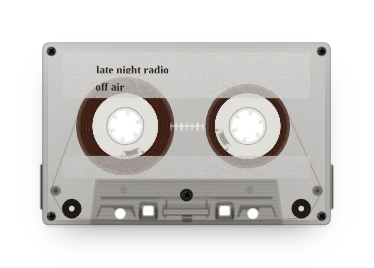
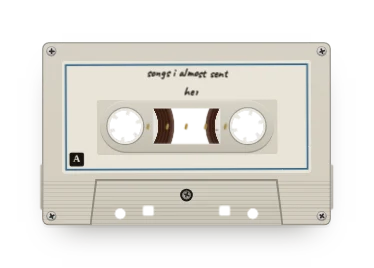
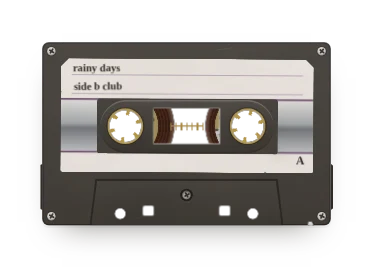
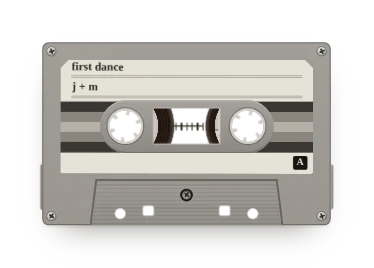
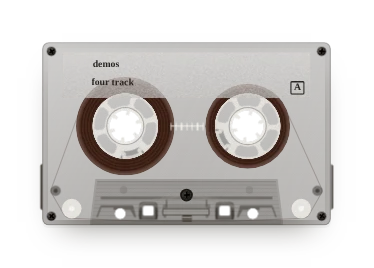
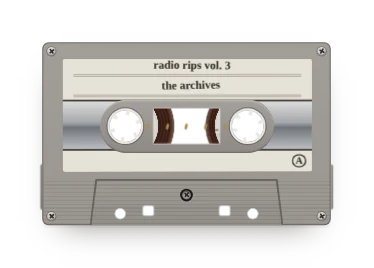
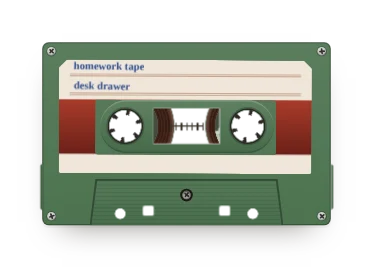
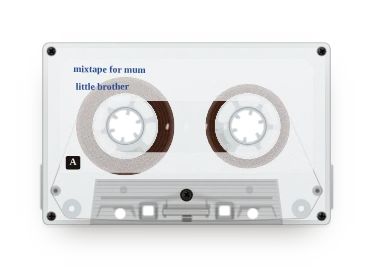
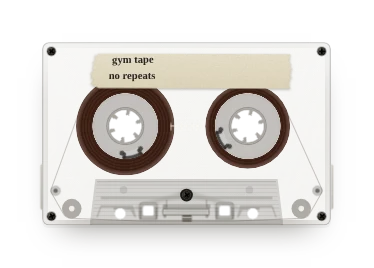
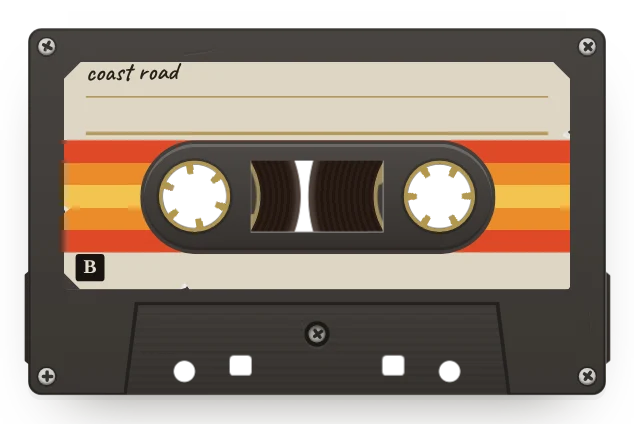
The craft, and your music.
SIDE A
THE CRAFTSIDE B
YOUR MUSICA wall of one-of-a-kind cassettes.
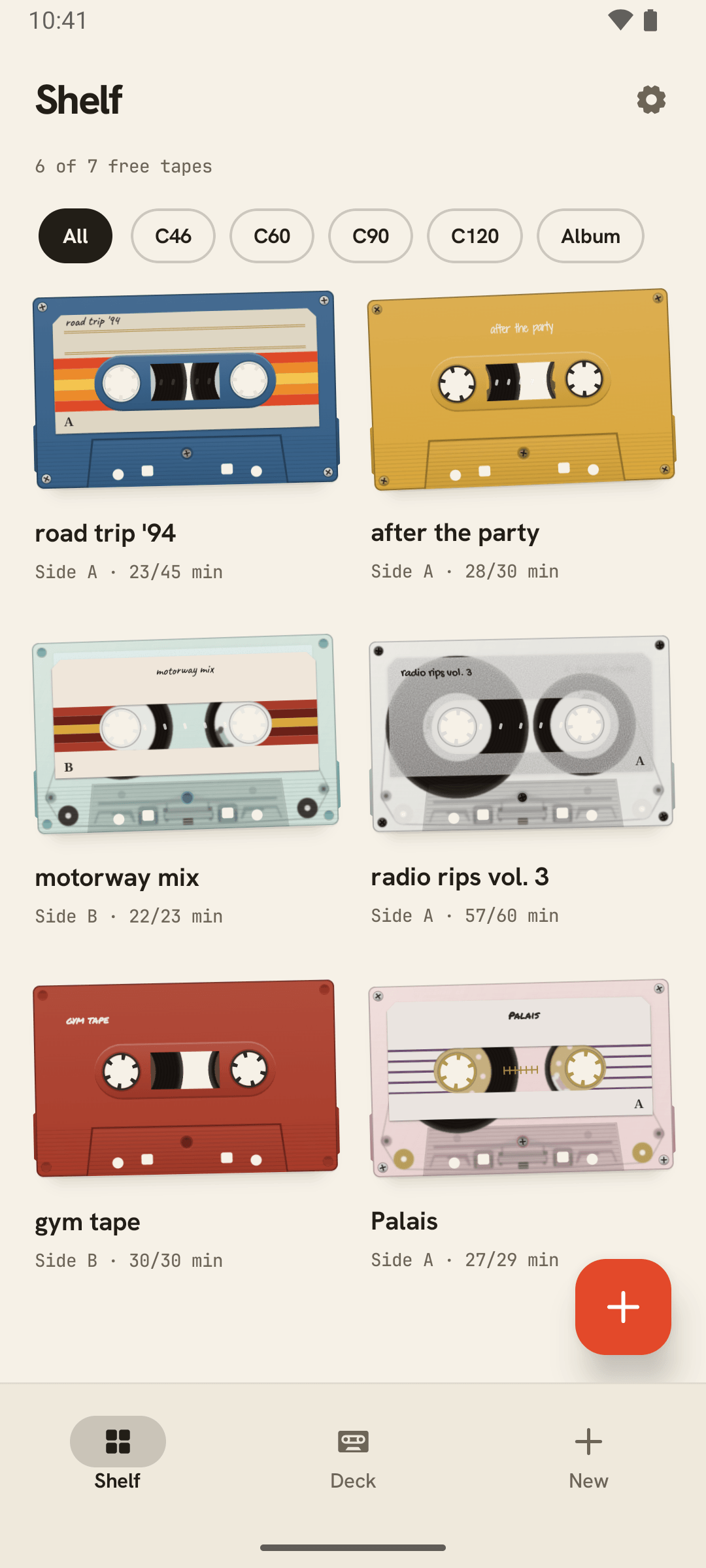
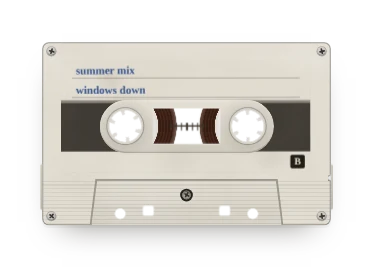
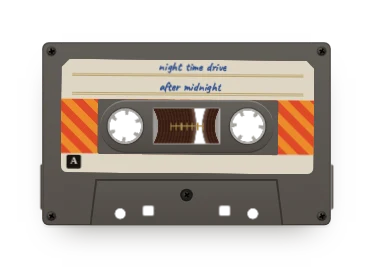
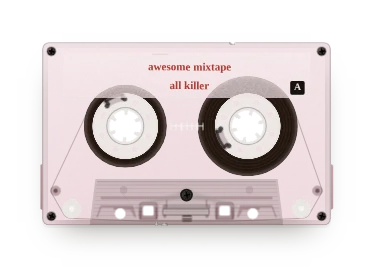
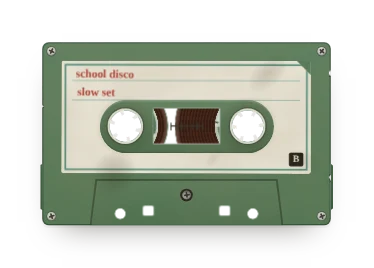
Every tape you’ve made, lined up as you left them. Pull one down and slide it into the deck.
THE LENGTHS
C46, C60, C90, C120 — the four the shops sold, and the four you pick from. Tape a whole album instead and the length is cut to fit it: a C40, a C54, sizes nobody ever stocked.
TIME ON TAPE
A tape accrues the time its ribbon actually moved over the head — two seconds of playback buys two seconds, and winding buys nothing. A favourite wears its hours where you can see them.
Press play. The machine takes it from there.
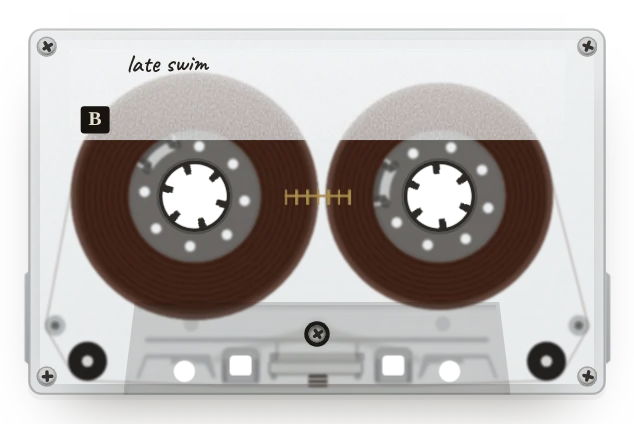
Reels spin with the transport, the counter climbs, and every press lands with a clunk you can feel. Flip the tape and the deck turns it over for real. The bar fills as the ribbon crosses the head, and the reels beside it show what’s left the way a window on a shell does.
Deck DSP
Every song plays through a model of a good home deck, built part by part: wow and flutter traced back to the capstan and pinch roller, a replay head set a hair off square that softens the top and lets one channel trail the other, and the head’s own gap and low-end contour. Hold fast-forward and the music flies past, pitch climbing; rewind plays it backwards. It’s optional, with its own switch in settings.
Tape DSP
Then through the tape. Low noise, ferric, chrome and metal each bring their own colour, headroom and hiss, and each saturates its own way when a loud passage drives it. And a tape wears in as you play it, the way a real one does: it rides a fraction further from the head so the top end softens, the shell’s wobble grows, the level starts to wander and the odd dropout creeps in. This has a switch of its own too: run either one, both, or neither.
Every tape comes out different.
Every one is generated from scratch, down to the last screw, and no two come out the same.
THE WORKSHOP
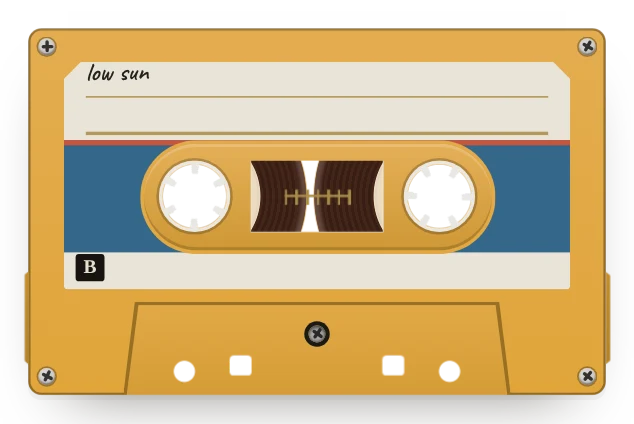
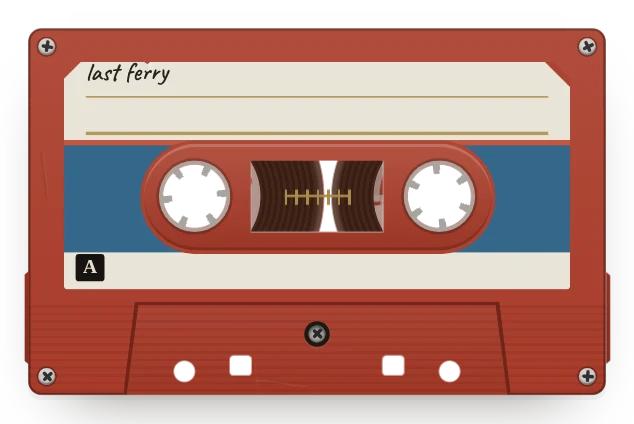
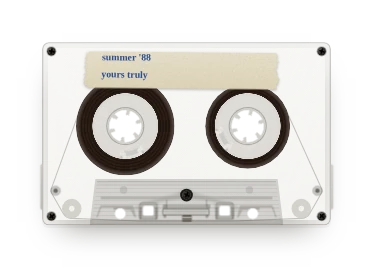
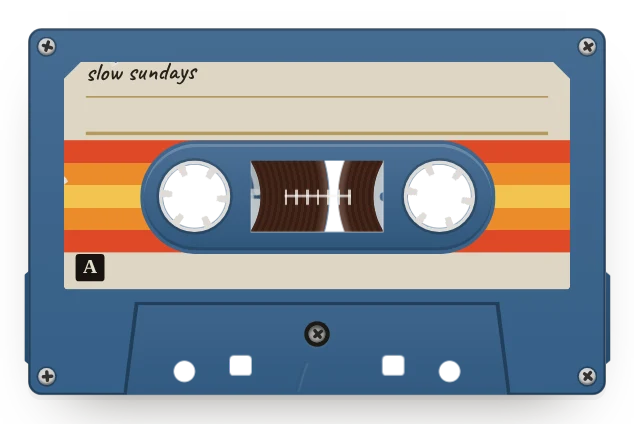
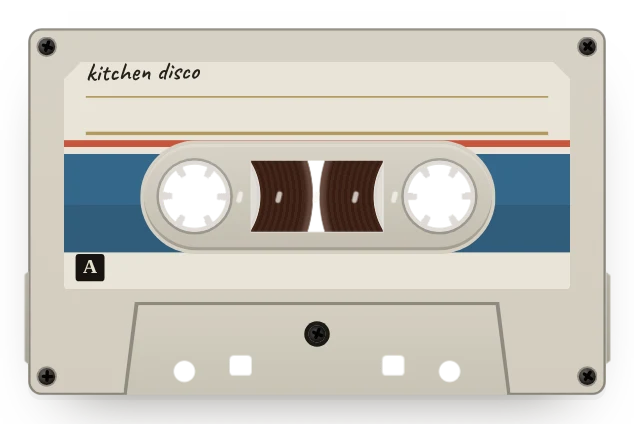
Everything about a tape is yours to set. The shell and the guts belong to the tape; the label and the handwriting belong to the side, so A and B needn’t match. Pick a colour or mix your own — clear shells too, tinted how you like — then choose the window and the hubs that turn behind it. Print a label, or skip it and write straight on the plastic in whichever hand suits. Have a go:
WELL LOVED
Look closely and plenty of the tapes here have been somewhere — a scuffed corner, grime along the shell, a screw someone’s been at. Wear accrues as a tape gets played: fresh out the box, then well loved, then left on the train and found again. A favourite ends up looking like one.
Liner notes, kept.
Every tape carries its own J-card — a handwritten tracklist, side by side, blank time shown honestly, time on tape accrued. Slide it out whenever you forget what’s waiting on side B.
MATCHED TO THE CASSETTE EDITION
Albums that came out on tape had their sides chosen by someone — not split down the middle. Where a tape’s layout is known, yours comes out the same, with side A ending where it actually ended.
A SIDE IS A SIDE
Forty-five minutes is forty-five minutes, and the last of it belongs to whatever you chose to end on. Side B of road trip ’94 runs out at 29:04 and lets the rest spool quiet — the sound of a side you finished early.
What people think
Sounds almost exactly like my RS-M14 tape deck.
-
Lol love it man, keep it up.
u/thePhool13 -
This is so cool!
A beta tester -
great idea! so amazing!
A beta tester -
man im loving this app
u/dev-778g
Make your
first tape.
Testing the beta? Tell us how it’s going, or write to hello@tinharbour.com.